
CityLab published an analysis on Friday in which it concluded that “...new housing in some cities may be finally making a dent in years of pent-up demand.” The question posed was whether the number of new homes built in various cities - adjusted to reflect the number of people they can house - has been in line with the number of new residents. The article is well-written and … [Read more...]
Urban Geography, Vacant Lots, and The Stunted Recovery of New Home Construction

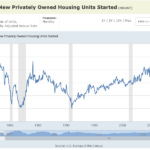
Summary: Even as home prices reach new highs and markets are starved for inventory, the rise in the number of new homes built in the U.S. is sluggish. Homebuilders blame a shortage of labor and, crucially, a limited supply of lots. The geography within metros is telling. Home price appreciation in U.S. cities has been substantially greater towards the metropolitan … [Read more...]
A Quick Note on the Aging of the US Housing Stock
This blog post originally appeared on The Outbox. According to the National Association of Home Builders (NAHB), the median age of owner-occupied housing rose from 31 in 2005 to 37 in 2015. To get a sense of what the means, consider that if no new homes were built during that 10 year period (or demolished, converted, etc'), the median age would rise by exactly 10 years. A 7 … [Read more...]
Can U.S. Cities Compensate for Curbing Sprawl by Growing Denser?
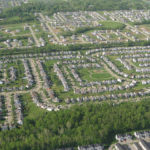
Key Takeaways: The link between housing production and outward expansion is unmistakable: cities that expand more produce proportionally more new housing. Throughout the country, housing production is skewed towards low density areas. Densification has slowed down across the board, and especially in expensive cities, undermining their ability to compensate for less … [Read more...]
Why First-Time Buyers Matter For The Housing Market
As the housing recovery progresses, there is growing concern that first-time buyers - often equated with millennials - are buying too few homes. “Too few” in this context means less than the historical norm. Why should this worry us? The obvious reason is that it could indicate that the barriers to homeownership are rising, but when reporters cover the shortage of first-time … [Read more...]