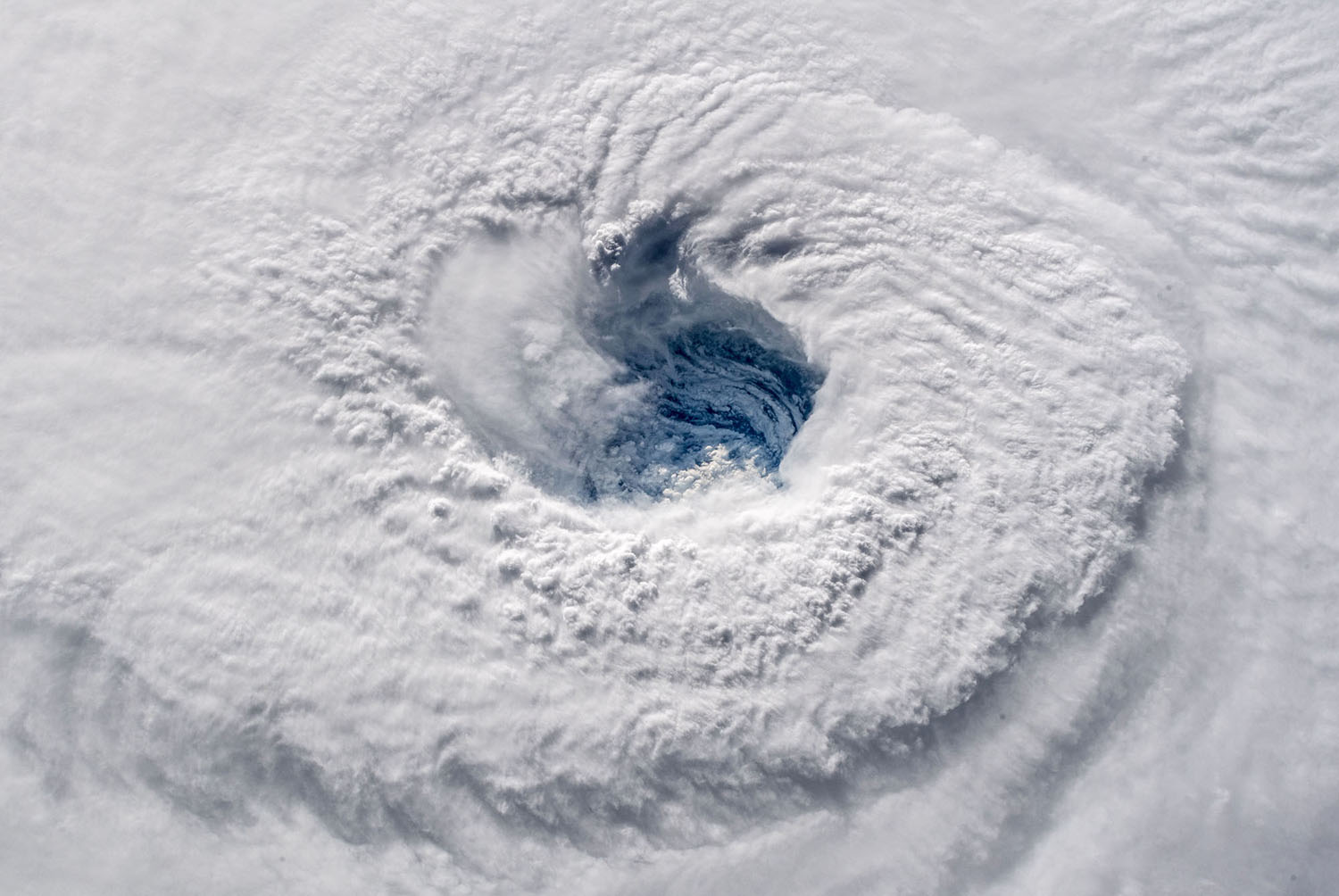
In the wake of a destructive storm or hurricane, it’s difficult to know where to begin putting the pieces back together. While you may feel the urge to start repairing damages as soon as possible, it’s important to avoid pitfalls by equipping yourself with the right knowledge on how best to move forward.
BuildZoom has helped many homeowners learn what to expect after natural disasters like Hurricane Matthew and Hurricane Harvey, and connected them with pre-vetted, qualified contractors to help them rebuild. Together with contractors, insurance agents, government officials, and other industry professionals, the BuildZoom team compiled our knowledge and expertise to bring you important information on storm and hurricane repair.
After a storm or hurricane
1. What are the most common kinds of property damage after a storm or hurricane?
2. How can a homeowner assess the damage?
3. What are the first things a homeowner should do?
4. What do homeowners need to know about hiring a licensed contractor for repairs?
5. What do homeowners need to know about contractor fraud, and how can it be avoided?
6. What kinds of repair work are most likely to be needed?
7. What can be done to reduce future storm or hurricane damage?
8. How are storm or hurricane-related insurance claims handled?
1. What are the most common kinds of property damage after a storm or hurricane?
In the aftermath of a major storm or hurricane, cities and communities will most likely suffer damages stemming from a combination of wind, flooding, and storm surges. The predominant type of property damage varies by storm and by geography. With Hurricane Irma, many communities along the coast were affected by storm surges, which occur when the combination of tides and strong winds cause the sea level to rise and cause salt water flooding. Hurricanes with heavy rains such as Harvey, or other slow-moving storms have caused severe damages from rain flooding. With Hurricane Maria, sustained, ferocious winds damaged the roofs of nearly all structures in the Caribbean island nation of Dominica.
Roof Damage
The most common home damage from a storm or hurricane is to the roof, Nicholas Maxim of ARKBuilt Contracting in South Carolina, tells us. Although this is typically the most urgent to repair, HKS Remodeling & Construction in North Carolina, reassures us that it is not necessarily the most expensive.
Storm or hurricane force winds can severely damage roofing systems or even lift them from their decking. Maxim further explains that the first thing wind brings down is trees and limbs, which take out roofs.
A few things to know about roof damage:
- If your roofing is older or not properly installed, it is more likely to suffer serious damage.
- Small holes caused by storms can allow leaks, leading to serious issues including mold, structural damage and possibly even total roof collapse.
- If a roof is not fixed properly, lose membranes and edge metal can allow foreign objects, such as dirt, leaves, branches, etc., to get under the roofing membrane. This speeds up deterioration and can lead to costly future repairs.
- Under Florida Law, if 25 percent of a roof is damaged, the whole thing needs to be replaced, says Larry Halbert of Halbert Contracting in Florida.
Flood Damage
If there is standing water for any considerable amount of time, there is going to be damage and it will probably need to be professionally dried out, explains Doug Buck of the Florida Home Builders Association. Standing water can not only damage a home’s structure, but promote dangerous mold growth.
Damage to Electrical Systems
In addition to damage to electrical lines from falling trees or electrical poles, beware of power surges when power is restored. This inrush of electrical current can damage electronics and appliances. In the case of flooding, any electrical equipment including wires, cables, circuit panels, fuses, switches, and breakers will almost certainly need to be replaced.
Other Damage
Damage to gutters is common and can result in foundation leaks, wood rot and other serious structural issues.
Window damage is likely, especially if they are not energy-efficient or well sealed. Poorly insulated windows may have allowed water in, which can cause mold growth and potentially structural problems.
Siding: depending how old it is, storm or hurricane damage may result in the need to have it fully replaced.
Finally, Mariel of HKS Remodeling & Construction says that foundation, sheetrock and flooring repairs are not unexpected after a storm or hurricane.
2. How can a homeowner assess damage after a storm or hurricane?
A homeowner should do an initial inspection for damage, but Randy Miller of Carlson Enterprises in Florida, tells us that you need a professional to assess the true extent of damages. Romeo’s Roofing in Florida, warns “while some damage is easily noticed, some hidden damage can take weeks or months to appear.” A qualified professional can identify such damage and prevent it from worsening.
Damage assessment checklist:
- Walk around the outside.
- Check if it is structurally sound by looking at the foundation and walls for settling and cracks.
- Look at the trees around your property for damaged trunks and broken branches that could fall onto your home.
- If you determine it is safe to enter, listen for any shifting or unusual noises, or the smell of gas. Leave immediately if you notice these things and call a professional inspector to check if it is safe to re-enter.
- Keep an eye out for exposed wires; if you see any, stay clear and call a licensed electrician.
Homeowners should check exterior and interior roofing. The following could be signs of serious roof damage requiring the services of a trained contractor:
- Missing shingles
- Cracked skylights
- Visible damage to gutters
- Damage to downspouts or the metal edge around the roof
- Dents or damage to exterior HVAC units
- Water stains on the ceiling
Doug Buck of the Florida Home Builders Association, also advises homeowners that if they have been in a disaster such as this, they can contact FEMA, who will send someone out to do a damage assessment. Depending on income and county, homeowners may be eligible for FEMA assistance or uninsured loss.
3. What are the first things a homeowner should do after a storm or hurricane?
Local Florida insurance agent Michelle Delaney urges homeowners to take pictures of all damage and make an inventory. Contact your insurance agent to report damage immediately. Some companies will require an adjuster’s approval before work can be done.
RJ Group in Florida recommends homeowners contact their insurance before beginning the process to hire a contractor. This will speed up the entire rebuilding process, so the sooner you begin, the better.
It is very important to mitigate further damage by immediately making temporary repairs.
Nicholas Maxim of ARKBuilt Contracting in South Carolina, urges homeowners to “seal up their homes”
- Cover damaged roofs with a tarp to protect against future weather and keep animals out.
- Board up all damaged windows.
Maxim stresses that homeowners should have a professional check the air quality inside their homes. If the house took on moisture, especially in warm and humid climates, mold spores can grow and quickly affect one’s health.
Remove all standing water and clean up and remove any mud and water soaked belongings. Damp areas, if left too long, can cause dangerous mold to grow and cause structural problems. Consider using a dehumidifier and/or opening windows to help dry the home out and get the air inside moving around. Do not enter any standing water in the basement until a utility company, the fire department, or licensed electrician has removed your home’s electrical meter from its socket.
At this point, you should wait for the insurance adjuster to come in, and then get to work on the larger repairs.
4. What do homeowners need to know about hiring a licensed contractor for repairs after a storm or hurricane?
The most important things you can do when repairing your home after a storm or hurricane is to hire a responsible, local, and licensed contractor.
Local contractors have a better understanding of the local permitting process and local building codes. Many towns require local business licenses in order to perform construction work. Further, if someone has done repeat work in your local area it is a good sign that they are not fraudulent.
A good contractor should be able to take care of all repairs, leaving homeowners free to handle other matters, says Randy Miller of Carlson Enterprises in Florida. He adds that if a home only has roof damage, homeowners can get away with only hiring a roofer, but if there is any interior damage, a good general contractor is necessary.
When general contractors take care of storm or hurricane repairs that doesn’t mean they won’t hire subcontractors. Mariel of HKS Remodeling & Construction in North Carolina, advises that sometimes “it can be wise, as far as roof damage, to find an actual roofer, especially depending on the extent. There are great local companies around here that specialize in that and being that it covers your home, you want to make sure it is done properly.”
Licensing requirements vary by state, but are generally set standards for contractors and are designed to protect homeowners. Throughout the United States, you can use BuildZoom to verify that a contractor is licensed by finding the contractor’s profile page and checking their license information on the right side of the page.
In Florida, North Carolina, South Carolina and Georgia, contractors must hold an active license to pull permits and perform construction work. Further, hiring a licensed contractor usually offers consumer protection through recovery funds in case of faulty work.
Some localities have further requirements. And in certain areas, such as Hilton Head Island, SC, Maxim says state police are there to enforce these regulations, issue fines and kick people off the Island for non-compliance.
Florida License Requirements and Assurances:
- The Florida Construction Industry License Board requires that all licensed contractors have four years of work experience, pass a board examination, demonstrate financial stability and hold public liability and property damage insurance. As of 2007, contractors must submit their fingerprints for a criminal background check. It is especially important to verify a contractor’s license in Florida, as only homeowners who hire a licensed contractor have access to the Florida Homeowners Construction Recovery Fund.
Georgia License Requirements and Assurances:
- The Georgia Licensing Board for Residential and General Contractors requires that applicants have relevant work experience, pass an examination, provide their social security numbers, and consent to a criminal background check. General contractors must hold general liability insurance of at least $500,000 and residential contractors are required to hold general liability insurance of at least $300,000. Note that in Georgia, if the homeowner files building permits it could make them responsible for all liability and insurances, and ineligible for help from the state.
North Carolina License Requirements and Assurances:
- In North Carolina it is highly important to hire a contractor licensed by The North Carolina Licensing Board for General Contractors. Only homeowners who have hired a licensed contractor have access to the Homeowners Recovery Fund if they suffer financial loss because of a contractor’s dishonest or incompetent work.
South Carolina License Requirements and Assurances:
- The South Carolina Contractor’s Licensing Board requires contractors to have at least two years of relevant experience, pass a technical, business management and law examination and prove financial stability.
Hiring locally helps ensure contractors have experience with the type of damage that has occurred and knows the best materials and practices to mitigate future problems.
5. What do homeowners need to know about contractor fraud, and how can it be avoided in a storm or hurricane?
When storms or hurricanes strike, unethical individuals often show up offering too-good-to-be-true deals to repair homes.
The National Insurance Crime Bureau (NICB) warns of contractor scams following severe storms or hurricanes.
While some of these ‘storm chasers’ are from out of town, Michelle Delaney of LRA Insurance warns that other opportunists may be local.
Scammers canvas neighborhoods and might promise quick work for cash upfront, or even to pay your insurance deductible. This may sound good, but it could cost you! If the contractor is dishonest, they might run off with your money, or use inferior materials and work that is not up to code.
It is on the homeowner to make sure they are working with a qualified, licensed contractor! Delaney says that if you hire an unlicensed individual who disappears without performing the work, or performs it poorly, there is no recourse through insurance.
The following suggestions can help you identify skilled, local contractors:
- First thing to do is always ask for their license. If there is any reason they don’t show it to you, say goodbye. – Maxim of ARKBuilt Contracting in South Carolina
- Equally as important is to demand proof of insurance and worker’s compensation policies. – Larry Halbert of Halbert Contracting in Florida
- Run a background check and check ratings with the Better Business Bureau. – Keith Abacus of Abacus Contracting LLC in Florida
- Ask for references of similar local work. This signals if the contractor is stepping outside their area of expertise. – Maxim
- Use someone who is a member of trade associations. “[They] tend to have better community relations and really care about getting the job done right.” – Doug Buck of the Florida Home Builders Association
- Find a contractor certified by multiple manufacturers. – Randy Miller of Carlson Enterprises in Florida
- Hire someone with at least 5 years experience. – Abacus
- Use a contractor that guarantees their work. Guarantees are typically 1-5 years. – HKS Remodeling & Construction in North Carolina
- Don’t use someone that requires a deposit upfront, or at least never more than 20%. – Buck
- Never make checks out to individuals. – Abacus
- Get at least 3 estimates. This is not only good practice, but may be required by insurance. And if a contractor gives you this advice, it is a good sign they are honest. – Maxim
- “Always use a contract.” Get everything in writing, including costs, work to be done, materials, guarantees, timeline and payment schedule. – Buck
- Be wary of high pressure sales tactics and never be pushed into signing a contract right away.
- Never sign a contract with blanks.
- Do not sign a certificate of completion until the work is truly finished.
[box]
Find a contractor you can trust for free through BuildZoom
Contractor scams are rampant after every natural disaster. We do the legwork of pre-vetting contractors by checking their licensing and insurance information, their work history, and reviews so you can hire with confidence.
[button link=”www.buildzoom.com”]Get Started[/button]
[/box]
6. What kinds of repair work are most likely to be needed after a storm or hurricane?
Roof repairs
Generally, repairing the roof is the first and most important thing to do. It is also the most important one to have done right. Nicholas Maxim of ARKBuilt Contracting in South Carolina, adds that roof work is very susceptible to fraud – not necessarily in terms of the materials used, but due to poor workmanship.
Multiple contractors advise homeowners to use ‘lifetime shingles.’ Maxim explains that workers must be certified to install these, so homeowners get a guarantee on both the material and installation.
Structural repairs
Structural repairs will likely be the most expensive. It is vitally important to use an experienced contractor for all structural work.
Do not cheap out on structural work Keith Abacus of Abacus Contracting LLC in Florida warns. If a contractor finds structural damage, the home will need to become code compliant. Maxim adds that in many affected areas, the code has changed recently, such as the requirement that windows have to have a certain storm/impact ratio. If you have a trustworthy contractor, they will know the code requirements.
Adding on work
It is often cost effective to tack on projects while repairing storm or hurricane damage, something Abacus and Maxim agrees on. If there is work a homeowner has been considering in the area where repairs must be made, it could make sense to do them simultaneously.
For example, if someone has a hole in their roof it might be worthwhile to replace the entire roof if it is old enough.
HKS Remodeling & Construction in North Carolina, reminds homeowners however that insurance will only cover the cost of the repairs from storms or hurricane damage, any surplus costs arising from additional projects will come from the homeowners’ pocket.
7. What can be done to reduce future storm or hurricane damage?
All work done on a home should make it as waterproofed as possible, says Maxim. This includes siding, concrete, and that subareas are correctly vented. He also advises homeowners to be aware of the flashing around all openings, something he often sees contractors cut corners on.
However, it is not necessarily materials that can help you reduce future damage, but quality workmanship, Maxim stresses.
The most important thing to protect against damage is follow the code. “The code is everything” and a quality contractor will know and apply it, says Doug Buck of the Florida Home Builders Association. Code requirements are written to protect against probable disasters.
“As far as limiting damage, it’s not more code, but more code compliance” that is needed, Buck explains. The majority of avoidable damage that occurs during a storm or hurricane is due to non-compliance by contractors and building inspectors.
Of course, for a high price you can do more than the code, but Buck advises that it’s not worth it from a cost-benefit perspective. Randy Miller of Carlson Enterprises in Florida, further explains that unfortunately, when it comes to strong storms or hurricanes, at a certain point it is simply tough to prevent damage.
Sometimes, adding extra protection can be done on a case by case basis depending on a number of factors, such as the type of house and distance to the coast. A qualified contractor will know the options.
8. How are storm or hurricane-related insurance claims handled?
Who is responsible for contacting insurance?
The homeowner is responsible for working with their insurance company, not the contractor.
Sometimes contractors will have contact with the insurance company and its agents, but it depends on the situation says HKS Remodeling & Construction in North Carolina. And as RJ Group in Florida explains, many contractor businesses are simply not designed to navigate the insurance procedure on behalf of a client.
But Doug Buck, Florida Home Builders Association, points out that contractors play a key role in empowering homeowners to negotiate with insurance companies. After disasters, labor and material shortages raise prices, sometimes above what insurance companies initially offer to pay. Contractors can provide homeowners with the information to get the necessary amount in light of the current situation.
When should homeowners contact their insurance companies?
“This is a time when insurance companies really shine, when people are in need after such a disaster” local Orlando, FL insurance agent Michelle Delaney says. Homeowners should not hesitate to contact their agents immediately.
Insurance companies limit the time to file a claim, usually 12-24 months, warns Delaney. Even if you don’t see any damage, it is better to get a professional inspection, than to find hidden damage later that is no longer covered.
Document all damage with photos and begin the insurance process as soon as possible, or risk slowing down repairs.
Some companies require an adjuster’s approval before work can begin, so the sooner you start, the better.
What should homeowners know about insurance payments?
Insurance will only pay for the damage caused by the initial storm or hurricane, so Delaney reminds homeowners that they must mitigate further damage from happening immediately.
Keith Abacus of Abacus Contracting LLC in Florida, says that often insurance companies require at least three quotes from different contractors. And some might guarantee the work of only some contractors.
Doug Buck, Florida Home Builders Association, gives homeowners a heads up that if they have a mortgage, the insurance check may be written out to the homeowner and the bank. This is to ensure the money is spent on home repairs, but may add another step to receiving the money.

Leave a Reply